ZIP 75116 · Duncanville, TX · Dallas County
Water Damage Restoration in 75116Flood Cleanup & Water Damage Repair
Water Damage Restoration in Duncanville involves water extraction, structural drying and water damage repair after leaks and floods.
Answered 24/7
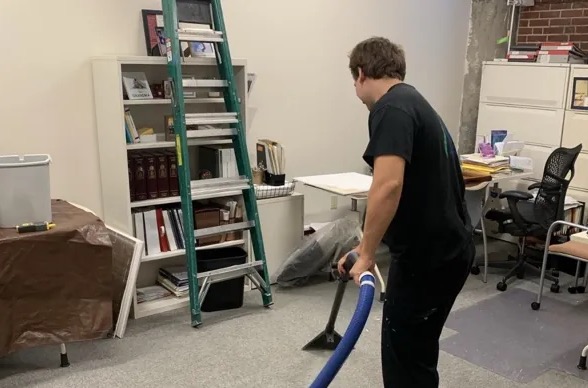
Water Damage Restoration Response in Dallas County
In Duncanville, water from leaks or floods needs fast attention to avoid costly repairs and health hazards. Local water extraction experts extract the water and dry the structure in a controlled way.
In Duncanville and nearby Cedar Hill, DeSoto and Grand Prairie, the pros extract water and dry the structure to industry standards after leaks and floods, before swelling, odor and mold set in.
Core Water Damage Restoration Methods Used in 75116
Flood Cleanup
When water comes in from outside, soaked materials are removed and the area is cleaned and dried in Duncanville.
Water Damage Repair
Water damage repair fixes or replaces materials permanently affected by moisture. It transforms a dried, damaged space back into a finished room.
Water Removal
Quick water removal in Duncanville extracts standing water using powerful pumps. This first step helps prevent further damage to floors and base materials.
Sewage Cleanup
A sewage backup introduces harmful pathogens. The process extracts contaminated water and removes unsalvageable porous materials.
Water Extraction
Soaked carpet and pad hold water that standard pumps miss. The pros in Duncanville extract it deeply, which often saves the flooring.
Indicators of Water Damage in 75116 Homes
Wet Spots on Carpets
Carpet or pad that stays damp means water has soaked deep into the floor, where it can rot the subfloor.
Musty Odors in Rooms
A persistent musty smell often means hidden moisture and mold growing behind walls or under floors.
High Indoor Humidity Levels
A consistently sticky, humid feeling indoors can indicate poor drying. Professionals use tools to measure and correct moisture levels.
Puddles Around Appliances
Standing water near a water heater, washer or fridge means a leak. Call (817) 799-6732 before it spreads further.
How Water Damage Restoration Works in 75116
Step 1: First Call and Inspection
An inspection after your call finds the type of water and how far it spread.
Step 2: Bulk Water and Sewage Cleanup
All bulk water, including hazardous Category 3 water from sewage backups, is removed. Specialized sewage cleanup protocols are used for safety.
Step 3: Detailed Moisture Removal
Moisture trapped in subfloors, drywall and insulation is pulled out with targeted drying.
Step 4: Property Restoration Completion
The final phase involves repairing or replacing damaged structural elements and finishes, with the goal of a dry, usable property.
Frequent Sources of Home Water Damage in 75116
Fire Suppression System Activation
Fire sprinklers that discharge during a fire or by accident put a lot of water into a building.
Natural Flooding From Heavy Rain
Heavy rain can overwhelm drainage and send surface water inside through doors and low spots.
Sewer Line Backups or Overflows
Blocked main sewer lines or septic failures can push sewage up into the home through drains.
Appliance Malfunctions and Leaks
Water heaters, washing machines, dishwashers and refrigerators can leak or overflow suddenly and flood the floor.
Home and Business Water Damage Restoration in 75116
Residential Water Damage Restoration
In residences, hidden moisture in walls or under floors can warp materials and attract pests. Residential water damage repair involves precise moisture mapping and targeted drying.
Commercial Water Damage Restoration
Offices and stores have drop ceilings and raised floors that trap water. Pros use industrial equipment for large-scale removal and drying and document it for business interruption claims.
Professional Water Damage Restoration or DIY in 75116?
Catch a small leak under a kitchen sink with a bucket, dry the cabinet and take out stored items. If the cabinet floor or the wall behind got soaked, have it checked for hidden moisture.
Factors in Water Damage Restoration Pricing for 75116
The total cost for water damage restoration in Duncanville is shaped by the affected square footage. Extensive flooding across multiple rooms requires more labor and equipment, elevating the final price.
Drying Time Required
How long air movers and dehumidifiers must run affects equipment cost and job length.
Secondary Damage Remediation
Extra work like mold removal or storm repairs adds its own scope and cost.
Affected Materials
Restoration costs vary if water damages drywall, hardwood floors, or custom cabinetry, as each material has different repair or replacement requirements.
Does Insurance Cover Water Damage Restoration?
Mold cleanup after water damage might be covered if the mold came from a sudden, covered leak. Coverage is often limited, so review your policy.
Why Choose Local Water Extraction Experts for Water Damage Restoration in 75116
IICRC-Standard Methods
The pros follow industry standards for water removal and drying, which helps prevent mold.
Integrated Service Approach
One set of pros handles the job from the first water removal to the final repairs.
Content Restoration Focus
Attention is given to salvaging personal belongings through specialized techniques like wet carpet drying and content cleaning, when possible, during the restoration process.
Always-Available Water Damage Restoration for 75116
Sewer backups and major flooding need fast, safe handling. Call (817) 799-6732 24/7 for the experts to start sewage cleanup or water extraction.
Call Now (817) 799-6732Water Damage Restoration Service Area Including 75116, TX
Across Duncanville and nearby Cedar Hill, DeSoto and Grand Prairie, the pros extract water, dry and repair homes and businesses.
Common Water Damage Restoration Queries Answered
How is commercial water damage different from residential?
Commercial jobs are larger, involve building systems and need planning around business hours, so drying is done in sections to limit downtime.
What are common causes of residential water damage?
Common causes include plumbing failures like burst pipes, appliance leaks from water heaters or washing machines, roof leaks, and flooding from severe weather.
How quickly should water extraction begin after a flood?
As soon as it is safe. Standing water speeds up damage, and mold can start within 24 to 48 hours.
What is Category 3 water during sewage cleanup?
Category 3 water is grossly contaminated, containing pathogens, as from sewage backups, flooding from rivers, or standing water that has become stagnant.
How do professionals handle a sewage backup cleanup?
Sewage cleanup requires strict safety protocols due to contaminants. The process involves removing the hazardous waste, thorough cleaning and disinfecting affected areas, and often removing porous materials that cannot be adequately sanitized.