ZIP 75106 · Cedar Hill, TX · Dallas County
Water Damage Restoration in 75106Mold Prevention After Water Damage & Storm Damage Repair
Water Damage Restoration in Cedar Hill involves water extraction, structural drying and water damage repair after leaks and floods.
Answered 24/7
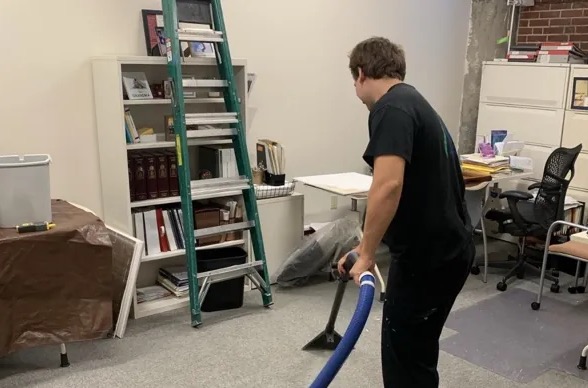
Water Damage Restoration Response in Dallas County
In Cedar Hill, acting fast limits disruption and keeps mold from starting. Local water extraction experts clean up the water and dry wet carpet with professional equipment.
In Cedar Hill and nearby Duncanville, DeSoto and Midlothian, the pros respond 24/7 to sewage backups and other water damage, extracting and drying until moisture readings are normal.
Core Water Damage Restoration Methods Used in 75106
Mold Prevention After Water Damage
Surfaces that stayed wet are cleaned and treated with an antimicrobial after drying in Cedar Hill homes.
Storm Damage Repair
After a storm, the pros tarp roof damage, extract water and dry wet walls and floors. The pros in Cedar Hill handle the inside of the house.
Water Extraction
Specialized extraction removes water from under flooring and within wall cavities. This addresses hidden moisture that can lead to major repairs. The pros in Cedar Hill are equipped for this technical task.
Sewage Cleanup
A sewage backup introduces harmful pathogens. The process extracts contaminated water and removes unsalvageable porous materials.
Water Removal
Removing water immediately after a leak prevents secondary damage. Industrial equipment eliminates water from affected rooms in properties in Cedar Hill.
Signs Your 75106 Property Needs Water Damage Help
Puddles Around Appliances
Standing water near a water heater, washer or fridge means a leak. Call (817) 799-6732 before it spreads further.
Cracked or Warping Floorboards
Hardwood floors that warp, cup, or crack are reacting to moisture. The pros can assess and begin drying.
Musty Odors in Rooms
A persistent musty smell often means hidden moisture and mold growing behind walls or under floors.
Water Stains on Ceilings
Yellow or brown ceiling stains indicate an ongoing water leak from above. The experts should inspect to identify the hidden source.
How Water Damage Restoration Works in 75106
Step 1: Water Removal Services
Powerful extractors remove the surface water and the water absorbed into carpet and floors.
Step 2: Comprehensive Dehumidification
Commercial dehumidifiers pull moisture from the air and building materials, which dries carpet and walls.
Step 3: Cleaning and Debris Removal
Damaged materials that cannot be saved are safely removed. Salvageable surfaces are cleaned and sanitized as part of the water damage cleanup.
Step 4: Reconstruction and Final Verification
Necessary rebuilding, from drywall to flooring, is completed. A final moisture check verifies the area is dry and restoration is finished.
Leading Causes of Water Damage in 75106
Sewer Line Backups or Overflows
Blocked main sewer lines or septic failures can push sewage up into the home through drains.
Appliance Malfunctions and Leaks
Water heaters, washing machines, dishwashers and refrigerators can leak or overflow suddenly and flood the floor.
Bathroom Fixture Failures
Failed toilet seals, overflowing tubs and leaking shower pans soak carpet and subfloors over time.
Roof Leaks From Storm Damage
Wind-driven rain, hail or fallen debris can break through roofing and let water into the home.
Water Damage Restoration for Homes and Businesses in 75106
Residential Water Damage Restoration
In residences, hidden moisture in walls or under floors can warp materials and attract pests. Residential water damage repair involves precise moisture mapping and targeted drying.
Commercial Water Damage Restoration
Offices and stores have drop ceilings and raised floors that trap water. Pros use industrial equipment for large-scale removal and drying and document it for business interruption claims.
Water Damage Restoration vs. DIY: When to Call Water Extraction Experts
A wet/dry vacuum can dry small wet carpet areas if used correctly. Opening windows and running fans helps air circulation. Soaked padding or a musty odor means professional wet carpet drying is necessary to stop mold growth.
Water Damage Restoration Cost in 75106, TX
The total cost for water damage restoration in Cedar Hill is shaped by the affected square footage. Extensive flooding across multiple rooms requires more labor and equipment, elevating the final price.
Affected Materials
Restoration costs vary if water damages drywall, hardwood floors, or custom cabinetry, as each material has different repair or replacement requirements.
Area Accessibility
Difficult-to-access areas like crawl spaces or attics may require specialized equipment, increasing the time and cost for the experts to complete the work.
Secondary Damage Remediation
Extra work like mold removal or storm repairs adds its own scope and cost.
Does Insurance Cover Water Damage Restoration?
For storm damage, check whether wind-driven rain or hail is covered. The pros record the damage with photos and notes, giving you a file to submit to your insurer.
Why Choose Local Experts for Water Damage Restoration in 75106
Comprehensive Water Extraction
Industrial pumps and extractors remove standing water fast in homes and commercial buildings.
IICRC-Standard Methods
The pros follow industry standards for water removal and drying, which helps prevent mold.
Content Restoration Focus
Attention is given to salvaging personal belongings through specialized techniques like wet carpet drying and content cleaning, when possible, during the restoration process.
Round-the-Clock Water Damage Restoration in 75106
Extensive water damage demands early professional help. Waiting can lead to costly secondary damage like mold growth. Secure emergency water removal and drying services by contacting the pros at (817) 799-6732.
Call Now (817) 799-6732Providing Water Damage Restoration to 75106 and Nearby
From Cedar Hill to Duncanville, DeSoto and Midlothian, the experts dry wet carpet and structures and repair storm damage.
Answers to Top Water Damage Restoration Questions
How quickly should water extraction begin after a flood?
As soon as it is safe. Standing water speeds up damage, and mold can start within 24 to 48 hours.
What is involved in the water damage restoration process?
The process begins with an assessment and emergency water extraction. Then, structural drying services using industrial equipment remove moisture.
What are common causes of residential water damage?
Common causes include plumbing failures like burst pipes, appliance leaks from water heaters or washing machines, roof leaks, and flooding from severe weather.
What should be done immediately after discovering water damage?
If safe, stop the water source if possible. Move valuable items away from water. Then, contact the experts for emergency water extraction.
What happens during the flood cleanup process?
Flood cleanup starts with pumping out standing water. Then, mud and debris are removed. The area is cleaned and disinfected.