ZIP 75104 · Cedar Hill, TX · Dallas County
Water Damage Restoration in 75104Water Removal & Mold Prevention After Water Damage
Water Damage Restoration in Cedar Hill involves water extraction, structural drying and water damage repair after leaks and floods.
Answered 24/7
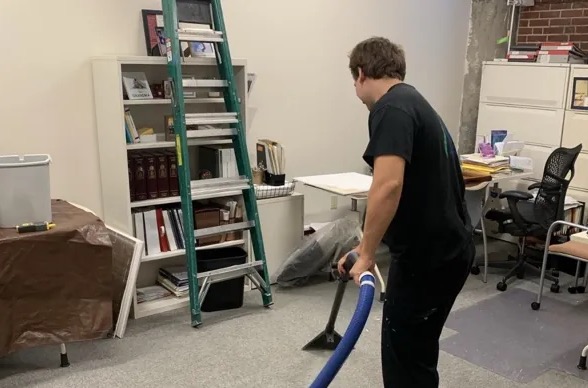
Expert Water Damage Restoration for Properties in 75104
In Cedar Hill, water damage can ruin floors, walls and belongings and lead to mold within days. Local water damage pros remove the water and dry the structure.
In Cedar Hill and nearby Duncanville, DeSoto and Midlothian, the pros clean up sewage backups and repair water damage step by step, drying the structure until readings are normal.
Comprehensive Water Damage Restoration Offerings in 75104
Water Removal
Quick water removal in Cedar Hill extracts standing water using powerful pumps. This first step helps prevent further damage to floors and base materials.
Mold Prevention After Water Damage
Surfaces that stayed wet are cleaned and treated with an antimicrobial after drying in Cedar Hill homes.
Sewage Cleanup
Sewage is Category 3 water. Cleanup includes removing the sewage, disinfecting surfaces and drying the area in Cedar Hill.
Storm Damage Repair
After a storm, the pros tarp roof damage, extract water and dry wet walls and floors. The pros in Cedar Hill handle the inside of the house.
Flood Cleanup
After a flood, the pros extract the water, clear debris and clean affected surfaces in Cedar Hill properties.
Warning Signs You Need Water Damage Restoration
Wet or Damp Attic Insulation
Damp insulation in the attic loses effectiveness and can rot wood. Attic drying and removal may be necessary for proper repair.
Wet Spots on Carpets
Carpet or pad that stays damp means water has soaked deep into the floor, where it can rot the subfloor.
High Indoor Humidity Levels
A consistently sticky, humid feeling indoors can indicate poor drying. Professionals use tools to measure and correct moisture levels.
Visible Mold Patches
Any visible mold, especially after a leak, means moisture has stayed long enough for spores to grow.
How Water Damage Restoration Works in 75104
Step 1: First Call and Inspection
An inspection after your call finds the type of water and how far it spread.
Step 2: Bulk Water and Sewage Cleanup
All bulk water, including hazardous Category 3 water from sewage backups, is removed. Specialized sewage cleanup protocols are used for safety.
Step 3: Detailed Moisture Removal
Moisture trapped in subfloors, drywall and insulation is pulled out with targeted drying.
Step 4: Property Restoration Completion
The final phase involves repairing or replacing damaged structural elements and finishes, with the goal of a dry, usable property.
Leading Causes of Water Damage in 75104
Natural Flooding From Heavy Rain
Heavy rain can overwhelm drainage and send surface water inside through doors and low spots.
Sewer Line Backups or Overflows
Blocked main sewer lines or septic failures can push sewage up into the home through drains.
Roof Leaks From Storm Damage
Wind-driven rain, hail or fallen debris can break through roofing and let water into the home.
Bathroom Fixture Failures
Failed toilet seals, overflowing tubs and leaking shower pans soak carpet and subfloors over time.
Water Damage Restoration for All Property Types in 75104
Residential Water Damage Restoration
Water damage in homes demands quick action to protect personal belongings and structure. The pros address leaks from appliances, roof failures, or plumbing to prevent mold.
Commercial Water Damage Restoration
For businesses, water damage halts operations and puts stock, equipment and data at risk. Pros extract water from offices, stores and warehouses and dry the structure to get you reopened.
Water Damage Restoration vs. DIY: When to Call Local Pros
A wet/dry vacuum can dry small wet carpet areas if used correctly. Opening windows and running fans helps air circulation. Soaked padding or a musty odor means professional wet carpet drying is necessary to stop mold growth.
Cost Considerations for Water Damage Restoration in 75104
In Cedar Hill, how long the water sat affects cost. A leak stopped quickly does little damage, while long saturation soaks deeper and needs more drying.
Area Accessibility
Difficult-to-access areas like crawl spaces or attics may require specialized equipment, increasing the time and cost for the experts to complete the work.
Secondary Damage Remediation
Extra work like mold removal or storm repairs adds its own scope and cost.
Drying Time Required
How long air movers and dehumidifiers must run affects equipment cost and job length.
Does Insurance Cover Water Damage Restoration?
For storm damage, check whether wind-driven rain or hail is covered. The pros record the damage with photos and notes, giving you a file to submit to your insurer.
The Case for Local Water Damage Pros in 75104, TX
Thorough Structural Drying
Air movers and dehumidifiers dry the structure and contents until readings are back to normal.
IICRC-Standard Methods
The pros follow industry standards for water removal and drying, which helps prevent mold.
Advanced Moisture Detection
Thermal cameras and moisture meters let the pros find hidden water in walls and subfloors so drying is complete.
24/7 Water Damage Restoration Help in 75104, TX
Water intrusion doesn't wait for business hours. Whether it's a burst pipe or storm flooding, you need help now. Call (817) 799-6732 for 24/7 emergency water removal services from the pros serving Cedar Hill.
Call Now (817) 799-6732Providing Water Damage Restoration to 75104 and Nearby
In Cedar Hill, the pros handle flood cleanup and mold removal for homes and businesses, and also serve Duncanville, DeSoto and Midlothian.
Frequently Asked Water Damage Restoration Questions
Why can mold become a problem after water damage?
Mold can grow in damp materials within 24 to 48 hours. If moisture remains after drying, mold removal may be needed.
How quickly should water extraction begin after a flood?
As soon as it is safe. Standing water speeds up damage, and mold can start within 24 to 48 hours.
What happens during the flood cleanup process?
Flood cleanup starts with pumping out standing water. Then, mud and debris are removed. The area is cleaned and disinfected.
What is involved in the water damage restoration process?
The process begins with an assessment and emergency water extraction. Then, structural drying services using industrial equipment remove moisture.
How is commercial water damage different from residential?
Commercial jobs are larger, involve building systems and need planning around business hours, so drying is done in sections to limit downtime.