ZIP 75051 · Grand Prairie, TX · Dallas County
Water Damage Restoration in 75051Flood Cleanup & Water Extraction
Water Damage Restoration in Grand Prairie covers water removal, flood cleanup and mold prevention after water damage.
Answered 24/7
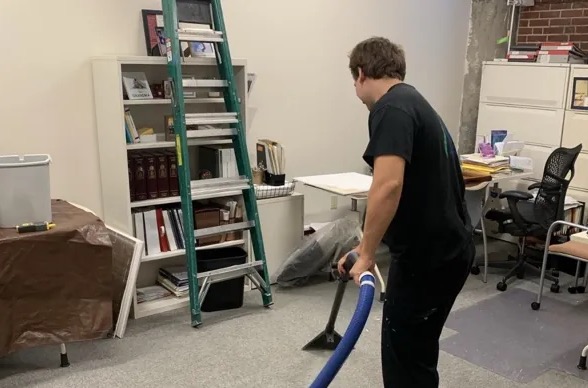
Local Water Damage Restoration Services for 75051
In Grand Prairie, water damage can ruin floors, walls and belongings and lead to mold within days. Local restoration pros remove the water and dry the structure.
In Grand Prairie and nearby Irving, Euless and Duncanville, local water removal pros respond 24/7 to sewage backups and other water damage, extracting and drying until moisture readings are normal.
The Water Damage Restoration Process in 75051, TX
Flood Cleanup
After a flood, the pros extract the water, clear debris and clean affected surfaces in Grand Prairie properties.
Water Extraction
Water extraction pulls moisture from saturated materials like carpets and padding. This deep process prevents warping and mold growth.
Sewage Cleanup
Toilet and drain backups bring sewage into the home. The pros in Grand Prairie remove the contaminated water and disinfect with strict safety steps.
Water Damage Repair
Water damage repair reconstructs materials that could not be saved. It includes installing new drywall, baseboards, flooring, and paint.
Structural Drying
Structural drying stabilizes the property to prevent secondary damage. It requires knowledge of drying science and the right equipment. For properties in Grand Prairie, this service is fundamental.
Indicators of Water Damage in 75051 Homes
Sagging or Bubbling Drywall
Drywall that swells, sags or bubbles has absorbed a lot of water and needs drying or removal.
Wet Spots on Carpets
Carpet or pad that stays damp means water has soaked deep into the floor, where it can rot the subfloor.
Wet or Damp Attic Insulation
Damp insulation in the attic loses effectiveness and can rot wood. Attic drying and removal may be necessary for proper repair.
High Indoor Humidity Levels
A consistently sticky, humid feeling indoors can indicate poor drying. Professionals use tools to measure and correct moisture levels.
How Water Damage Restoration Works in 75051
Step 1: Source Stop and Water Extraction
First, the water source is contained or repaired. Then, experts perform thorough water extraction from all affected surfaces and materials.
Step 2: Air Circulation and Drying
Air movers push air across wet surfaces to speed up evaporation from floors and walls.
Step 3: Antimicrobial Application
After drying, surfaces that stayed wet are treated with an antimicrobial to help keep mold from starting.
Step 4: Repair and Documentation
Any necessary water damage repair is performed to restore the property. Detailed documentation, including photos, is compiled for your insurance provider.
Why Properties in 75051 Experience Water Damage
Roof Leaks From Storm Damage
Wind-driven rain, hail or fallen debris can break through roofing and let water into the home.
Fire Suppression System Activation
Fire sprinklers that discharge during a fire or by accident put a lot of water into a building.
Bathroom Fixture Failures
Failed toilet seals, overflowing tubs and leaking shower pans soak carpet and subfloors over time.
Sewer Line Backups or Overflows
Blocked main sewer lines or septic failures can push sewage up into the home through drains.
Both Residential & Commercial Water Damage Restoration in 75051, TX
Residential Water Damage Restoration
Attic water damage from roof leaks can ruin insulation and decking, affecting energy bills. The pros perform attic drying and may remove wet insulation.
Commercial Water Damage Restoration
Warehouses and plants need heavy-duty water removal over large areas after drainage failures or sprinkler discharges, to protect machinery and storage.
Professional Water Damage Restoration or DIY in 75051?
Catch a small leak under a kitchen sink with a bucket, dry the cabinet and take out stored items. If the cabinet floor or the wall behind got soaked, have it checked for hidden moisture.
Understanding Water Damage Restoration Costs in 75051
The total cost for water damage restoration in Grand Prairie is shaped by the affected square footage. Extensive flooding across multiple rooms requires more labor and equipment, elevating the final price.
Area Accessibility
Difficult-to-access areas like crawl spaces or attics may require specialized equipment, increasing the time and cost for the experts to complete the work.
Affected Materials
Restoration costs vary if water damages drywall, hardwood floors, or custom cabinetry, as each material has different repair or replacement requirements.
Secondary Damage Remediation
Extra work like mold removal or storm repairs adds its own scope and cost.
Does Insurance Cover Water Damage Restoration?
Drying after a covered loss is often paid, subject to policy limits and deductibles. The pros provide drying records and equipment logs for your insurer.
Why Choose Local Pros for Water Damage Restoration in 75051
IICRC-Standard Methods
The pros follow industry standards for water removal and drying, which helps prevent mold.
Thorough Structural Drying
Air movers and dehumidifiers dry the structure and contents until readings are back to normal.
Integrated Service Approach
One set of pros handles the job from the first water removal to the final repairs.
Emergency Water Damage Restoration Response for 75051
Water intrusion doesn't wait for business hours. Whether it's a burst pipe or storm flooding, you need help now. Call (817) 799-6732 for 24/7 emergency water removal services from the pros serving Grand Prairie.
Call Now (817) 799-6732Water Damage Restoration Near 75051: Areas Served
In Grand Prairie and nearby Irving, Euless and Duncanville, local pros handle everything from sewage backup cleanup to final water damage repairs.
Answers to Top Water Damage Restoration Questions
What is involved in the water damage restoration process?
The process begins with an assessment and emergency water extraction. Then, structural drying services using industrial equipment remove moisture.
What is Category 3 water during sewage cleanup?
Category 3 water is grossly contaminated, containing pathogens, as from sewage backups, flooding from rivers, or standing water that has become stagnant.
What should be done immediately after discovering water damage?
If safe, stop the water source if possible. Move valuable items away from water. Then, contact the pros for emergency water extraction.
How quickly should water extraction begin after a flood?
As soon as it is safe. Standing water speeds up damage, and mold can start within 24 to 48 hours.
How do professionals handle a sewage backup cleanup?
Sewage cleanup requires strict safety protocols due to contaminants. The process involves removing the hazardous waste, thorough cleaning and disinfecting affected areas, and often removing porous materials that cannot be adequately sanitized.