ZIP 75075 · Plano, TX · Collin County
Water Damage Restoration in 75075Water Extraction & Mold Prevention After Water Damage
Water Damage Restoration in Plano covers water removal, sewage cleanup and storm damage repair.
Answered 24/7
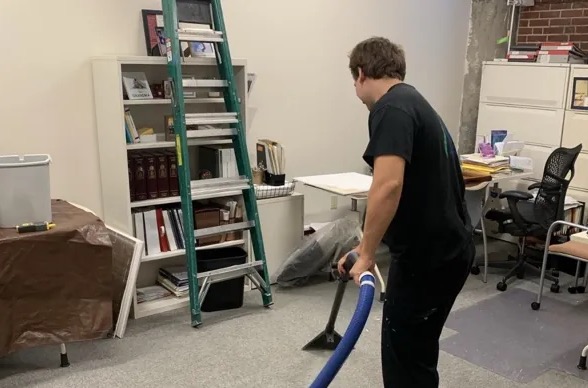
Water Damage Restoration Response in Collin County
In Plano, water from leaks or floods needs fast attention to avoid costly repairs and health hazards. Local water removal pros extract the water and dry the structure in a controlled way.
In Plano and nearby Murphy, Richardson and Allen, the pros clean up sewage backups and repair water damage step by step, drying the structure until readings are normal.
Core Water Damage Restoration Methods Used in 75075
Water Extraction
Water extraction pulls moisture from saturated materials like carpets and padding. This deep process prevents warping and mold growth.
Mold Prevention After Water Damage
Prompt drying is the main way to keep mold from starting after water damage. Materials that stay wet for a day or two are at risk.
Sewage Cleanup
A sewage backup introduces harmful pathogens. The process extracts contaminated water and removes unsalvageable porous materials.
Flood Cleanup
After a flood, the pros extract the water, clear debris and clean affected surfaces in Plano properties.
Water Removal
Removing water right away stops it from spreading across floors and wicking up walls. The pros in Plano use pumps and extractors sized to the job.
Indicators of Water Damage in 75075 Homes
Cracked or Warping Floorboards
Hardwood floors that warp, cup, or crack are reacting to moisture. The pros can assess and begin drying.
Visible Mold Patches
Any visible mold, especially after a leak, means moisture has stayed long enough for spores to grow.
High Indoor Humidity Levels
A consistently sticky, humid feeling indoors can indicate poor drying. Professionals use tools to measure and correct moisture levels.
Wet Spots on Carpets
Carpet or pad that stays damp means water has soaked deep into the floor, where it can rot the subfloor.
How Water Damage Restoration Works in 75075
Step 1: First Call and Inspection
An inspection after your call finds the type of water and how far it spread.
Step 2: Bulk Water and Sewage Cleanup
All bulk water, including hazardous Category 3 water from sewage backups, is removed. Specialized sewage cleanup protocols are used for safety.
Step 3: Detailed Moisture Removal
Moisture trapped in subfloors, drywall and insulation is pulled out with targeted drying.
Step 4: Property Restoration Completion
The final phase involves repairing or replacing damaged structural elements and finishes, with the goal of a dry, usable property.
Frequent Sources of Home Water Damage in 75075
Natural Flooding From Heavy Rain
Heavy rain can overwhelm drainage and send surface water inside through doors and low spots.
Fire Suppression System Activation
Fire sprinklers that discharge during a fire or by accident put a lot of water into a building.
Bathroom Fixture Failures
Failed toilet seals, overflowing tubs and leaking shower pans soak carpet and subfloors over time.
Sewer Line Backups or Overflows
Blocked main sewer lines or septic failures can push sewage up into the home through drains.
Both Residential & Commercial Water Damage Restoration in 75075, TX
Residential Water Damage Restoration
In residences, hidden moisture in walls or under floors can warp materials and attract pests. Residential water damage repair involves precise moisture mapping and targeted drying.
Commercial Water Damage Restoration
Offices and stores have drop ceilings and raised floors that trap water. Pros use industrial equipment for large-scale removal and drying and document it for business interruption claims.
DIY Limits and Water Damage Restoration Needs in 75075
For a minor bathroom overflow, use towels and a squeegee on tile. Check for water under the toilet base. Running a dehumidifier can help. If water is under baseboards or subfloor damage is suspected, professional water damage cleanup is necessary.
What Influences Water Damage Restoration Cost in 75075?
In Plano, moving and storing furniture or belongings so floors can be dried adds labor and affects the final cost.
Area Accessibility
Difficult-to-access areas like crawl spaces or attics may require specialized equipment, increasing the time and cost for the experts to complete the work.
Emergency Service Timing
Night and weekend extraction can carry a different rate than work during business hours.
Drying Time Required
How long air movers and dehumidifiers must run affects equipment cost and job length.
Does Insurance Cover Water Damage Restoration?
Insurance coverage for water damage restoration depends on a policy's cause-of-loss terms. Sudden events like a burst pipe are often covered. Gradual leaks may not be.
Selecting Water Removal Pros for Water Damage Restoration in 75075
Integrated Service Approach
One set of pros handles the job from the first water removal to the final repairs.
Contamination Safety Protocols
For sewage or dirty flood water, the pros wear protective gear and treat surfaces to reduce health risks.
IICRC-Standard Methods
The pros follow industry standards for water removal and drying, which helps prevent mold.
Round-the-Clock Water Damage Restoration in 75075
Extensive water damage demands early professional help. Waiting can lead to costly secondary damage like mold growth. Secure emergency water removal and drying services by contacting the pros at (817) 799-6732.
Call Now (817) 799-6732Local Water Damage Restoration Areas Near 75075
Water damage restoration is available in Plano and nearby areas like Murphy, Richardson and Allen, from indoor leaks to storm flooding.
Water Damage Restoration Information: Your Questions
Can wet carpet be saved after water damage?
Wet carpet drying may be possible if extraction begins quickly and the water is clean. Contaminated water often requires disposal. The pros assess the carpet, pad, and subfloor to determine if salvage is feasible.
How quickly should water extraction begin after a flood?
As soon as it is safe. Standing water speeds up damage, and mold can start within 24 to 48 hours.
What happens during the flood cleanup process?
Flood cleanup starts with pumping out standing water. Then, mud and debris are removed. The area is cleaned and disinfected.
Why can mold become a problem after water damage?
Mold can grow in damp materials within 24 to 48 hours. If moisture remains after drying, mold removal may be needed.
What are common causes of residential water damage?
Common causes include plumbing failures like burst pipes, appliance leaks from water heaters or washing machines, roof leaks, and flooding from severe weather.