Trusted by 170+ Homeowners
Tile Floor Water Damage Restoration in Cleburne, TX
- Over 172 5-Star Reviews
- Free Estimates and Quotes
- 100% Satisfaction Guaranteed
- Child, Family & Pet Safe Steps
- 24-Hour Emergency Service
- Fully Licensed & Insured

Tips for Avoiding the Most Costly Mistakes in Tile Floor Water Damage Restoration
You’re already dealing with a stressful situation – water damage to your tile floors in Cleburne, TX. But did you know that the longer you wait to address the issue, the more costly and time-consuming it becomes? That’s why it’s essential to act quickly and call a professional right away. Waiting too long can lead to permanent damage, costly repairs, and even health risks from mold growth.
Our team has seen this scenario play out far too many times, and it’s a preventable disaster. Our 165+ five-star reviews speak to our commitment to fast, effective service that saves you money and hassle. When you need help with tile floor water damage restoration, you can count on our team of experts to get the job done right and get it done fast!
- Quick response times to reduce damage and prevent further issues.
- Expert technicians using state-of-the-art equipment to extract water and dry your floors.
- A comprehensive drying process that ensures your floors are completely dry and free from moisture.
How Our Tile Floor Water Damage Restoration Process Works
When you call our team with a tile floor water damage emergency, we know that every minute counts. That’s why we respond quickly and get to work fast. Our process is designed to reduce damage and get your floors back to normal as quickly as possible.
Step 1: Emergency Response and Assessment
Our crew will arrive at your property within 60 minutes of your call and assess the damage to your tile floors. We’ll identify the source of the water, the extent of the damage, and the best course of action to take. This step is crucial in determining the right equipment and resources needed to complete the job efficiently.
Step 2: Water Extraction and Removal
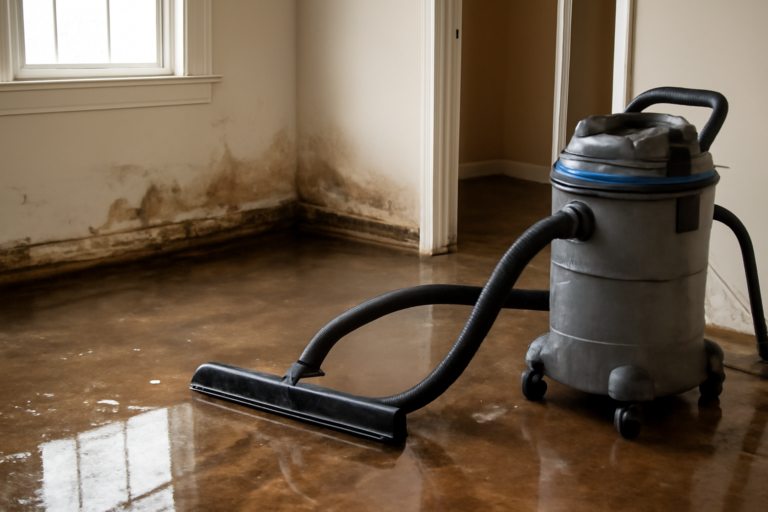
Next, our team will use advanced equipment, such as Truck-Mounted Extractors and Wet/Dry Vacuums to extract as much water as possible from your floors. We’ll also use air movers and dehumidifiers to speed up the drying process and prevent further damage.
Step 3: Drying and Dehumidification
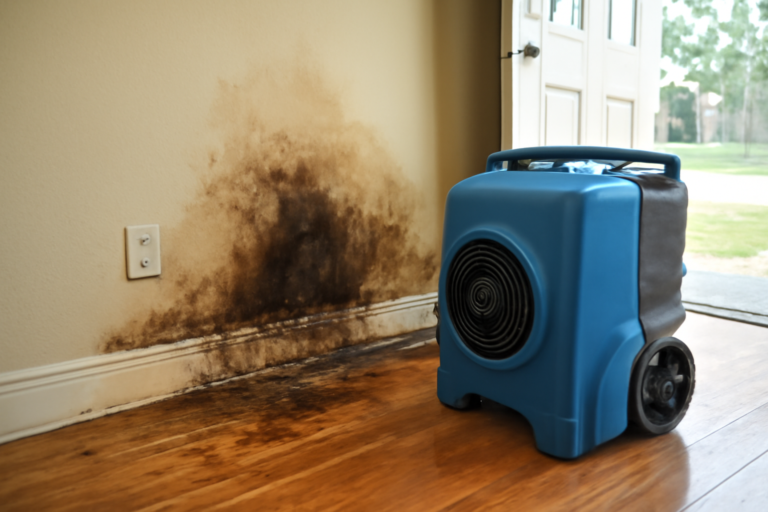
With the water removed, our technicians will focus on drying and dehumidifying your floors using specialized equipment. This step is critical in preventing mold growth and ensuring your floors are completely dry and free from moisture. We’ll use thermal imaging cameras to monitor the drying process and ensure that your floors are completely dry.
Step 4: Monitoring and Follow-up
After the initial drying process is complete, our team will conduct a thorough inspection to ensure that your floors are completely dry and free from moisture. We’ll also provide you with a written report detailing the work completed and any recommendations for future maintenance or repairs.
Don’t wait any longer to address your tile floor water damage. Our team is standing by to help you today and get your floors back to normal!

Warning Signs You Need Tile Floor Water Damage Restoration
Tile floor water damage can be a silent enemy, hiding in plain sight until it’s too late. But there are warning signs that you shouldn’t ignore. These signs can show a range of problems from minor to severe, and addressing them quickly can save you money and hassle in the long run.
Musty Odors That Won’t Go Away
A musty smell that lingers long after the water has been removed is a sign that your floors are still damp. This can lead to mold growth and health risks. If you notice a lingering odor or unpleasant smell it’s time to call a professional!
Warped or Buckled Floors
Warped or buckled floors can show that water has seeped into the subfloor or underlying structure. If you notice any unevenness or warping it’s essential to seek help immediately to prevent further damage.
Water Stains or Discoloration
Visible water stains or discoloration on your tile floors can be a sign of water damage. These stains can show that water has penetrated the tile and affected the underlying material. If you notice any stains or discoloration it’s time to take action!
Peeling or Cracking Tile
Peeling or cracking tile can be a sign that water has damaged the adhesive or the tile itself. This can lead to further damage and costly repairs if left unchecked. If you notice any peeling or cracking tile, it’s essential to seek help right away!
Unpleasant Sounds or Creaking
Unpleasant sounds or creaking from your floors can show that water has damaged the subfloor or underlying structure. This can lead to further damage and costly repairs if left unchecked. If you notice any unpleasant sounds or creaking it’s time to take action!
Tile Floor Water Damage Restoration vs. DIY: When To Call a Professional
| Situation | DIY? | Call a Pro? | Why |
|---|---|---|---|
| Minor water damage with minimal water involved | Yes | No | Small risk of mold growth and limited damage make DIY a feasible option. |
| Significant water damage with extensive water involved | No | Yes | High risk of mold growth and extensive damage need professional expertise and equipment. |
| Water damage to underlying structure or subfloor | No | Yes | Damage to underlying structure or subfloor needs specialized equipment and expertise to prevent further damage. |
| Water damage with health risks or mold growth | No | Yes | Health risks and mold growth need immediate attention from a professional to prevent further damage and health issues. |
| Water damage to high-value or sensitive areas (e.g., kitchen, bathroom) | No | Yes | High-value or sensitive areas need specialized care and attention to prevent further damage and costly repairs. |
With tile floor water damage restoration, it’s essential to understand when DIY is a viable option and when to call a professional. By knowing the signs and symptoms of water damage, you can make informed decisions about how to proceed and ensure that your floors are restored to their former glory.
Tile Floor Water Damage Restoration Cost in Cleburne, TX
The cost of tile floor water damage restoration can vary depending on the severity of the damage, the size of the affected area, and local conditions in Cleburne, TX. These estimates are based on national averages and may vary based on your specific situation. It’s always best to consult with a professional to get a more accurate estimate.
| Service | Typical Price Range | What Affects Cost |
|---|---|---|
| Water Extraction and Removal | $500 – $2,500 | Size of affected area, type of flooring, and amount of water involved. |
| Drying and Dehumidification | $200 – $1,500 | Size of affected area, type of flooring, and complexity of drying process. |
| Monitoring and Follow-up | $100 – $500 | Size of affected area and complexity of monitoring process. |
| Repair or Replacement of Damaged Flooring | $500 – $2,500 | Size of affected area, type of flooring, and complexity of repair or replacement. |
| More Services (e.g., mold remediation, odor removal) | $500 – $2,000 | Size of affected area, type of service, and complexity of process. |
Exact pricing will depend on an on-site assessment and consultation with a professional. We offer free estimates and are committed to providing you with a fair and transparent price for our services.
Service Areas Near Cleburne, TX
Our team serves the following areas:
Aledo, Alvarado, Arlington, Bedford, Benbrook, Blue Mound, Burleson, Colleyville, Crowley, Dallas, Euless, Fort Worth, Grapevine, Haltom City, Haslet, Hurst, Keller, Kennedale, Lake Worth, Mansfield, North Richland Hills, Pantego, Richland Hills, Saginaw, Southlake, Watauga, Westlake, White Settlement, and more!
Common Questions About Tile Floor Water Damage Restoration
Q: What is the average cost of tile floor water damage restoration in Cleburne, TX?
A: The average cost of tile floor water damage restoration in Cleburne, TX can range from $500 to $10,000 or more, depending on the severity of the damage, the size of the affected area, and the type of flooring involved. We offer free estimates and will provide you with a detailed breakdown of costs.
Q: How long does it take to complete a tile floor water damage restoration project?
A: The length of time it takes to complete a tile floor water damage restoration project can vary depending on the severity of the damage, the size of the affected area, and the complexity of the drying process. On average, a project can take anywhere from 3 to 14 days to complete, but it may take longer in severe cases. We’ll provide you with a realistic timeline and update you on progress throughout the project.
Q: What is the difference between tile floor water damage restoration and water damage repair?
A: Tile floor water damage restoration refers to the process of restoring your tile floors to their pre-damage condition, including removing damaged flooring, drying the underlying structure, and repairing or replacing damaged parts. Water damage repair, on the other hand, involves addressing the underlying cause of the damage and making necessary repairs to prevent further damage.
Q: Do I need to replace my entire floor, or can I just repair the damaged area?
A: It depends on the extent of the damage. If the damage is limited to a small area, we may be able to repair the damaged section. But, if the damage is extensive or has compromised the entire floor, replacement may be the best option. We’ll assess the damage and provide you with a recommendation for the best course of action.
Q: What are the health risks associated with tile floor water damage?
A: Exposure to contaminated water can lead to a range of health issues, including respiratory problems, skin irritation, and even life-threatening infections. If you suspect that your tile floor water damage has exposed you to contaminated water, seek medical attention immediately. Our technicians are trained to handle water damage safely and effectively, and we’ll work with you to reduce the risk of health issues.
Q: Can I use bleach or other chemicals to clean and disinfect my floors after a water damage incident?
A: No, we strongly advise against using bleach or other harsh chemicals on your floors after a water damage incident. These chemicals can damage the flooring, discolor the finish, and even leave behind toxic residues. Our team uses specialized equipment and cleaning solutions to safely and effectively clean and disinfect your floors.
Check Our Other Relevant Services

Clifton Williams is a licensed Damage Restoration Expert with over 20 years of hands-on experience in disaster recovery and structural mitigation. As a respected industry authority, Clifton has spent two decades mastering the technical science of environmental safety, providing property owners with the reliable expertise and steady leadership required to navigate high-stress property losses with absolute confidence.
𝗖𝗲𝗿𝘁𝗶𝗳𝗶𝗰𝗮𝘁𝗶𝗼𝗻𝘀: Clifton holds elite IICRC credentials, including Water Damage Restoration (WRT), Applied Structural Drying (ASD), Mold Remediation (AMRT), Fire and Smoke Restoration (FSRT), and Odor Control (OCT).
𝗙𝗮𝘃𝗼𝗿𝗶𝘁𝗲 𝗣𝗮𝘀𝘁𝗶𝗺𝗲: An avid outdoorsman and craftsman, Clifton enjoys mountain biking and woodworking, hobbies that mirror the endurance and meticulous attention to detail he brings to every restoration project.
𝗕𝗲𝘀𝘁 𝗣𝗮𝗿𝘁 𝗼𝗳 𝘁𝗵𝗲 𝗷𝗼𝗯: He finds the most fulfillment in being a steady guide for families, helping them transition from the initial shock of property damage to the peace of mind of a fully restored, healthy home.