Prosper, TX · Collin County
Temperature-Controlled Drying in Prosper, TXDrying Equipment Deployment & Water Damage Drying Logs
Temperature-Controlled Drying in Prosper by local drying equipment pros addresses thermal drying for water damage, climate-controlled drying systems, and moisture mapping to restore property.
Answered 24/7
Local Temperature-Controlled Drying Solutions for Prosper Homes
In Prosper, moisture left in a structure can cause odors and draw pests. The pros map the damage with infrared cameras and sensors before setting up drying.
In Prosper and nearby Celina, Frisco and Little Elm, local pros map moisture in walls and subfloors, then fit thermal drying and humidity control to the materials in the building.
Advanced Temperature-Controlled Drying Techniques in Prosper
Drying Equipment Deployment
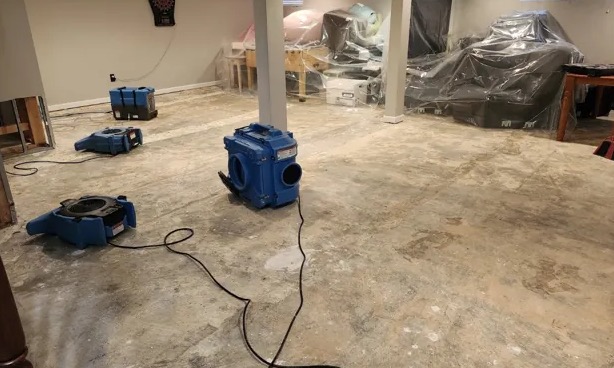
The pros in Prosper position equipment to create the controlled environment. They set correct settings and may build containment barriers, turning the drying plan into action.
Water Damage Drying Logs
The pros create detailed, timestamped drying logs. These records track initial readings, daily progress, and final verification, providing proof that industry-standard drying was followed.
Humidity Control for Restoration
The pros size dehumidifiers from the moisture map, then pair them with air movers to carry moisture away from materials.
Climate-Controlled Drying Systems
Advanced systems allow precise manipulation of the drying environment. By controlling the dew point, the pros can aggressively dry contents without risk.
Rapid Structural Drying Services
Rapid drying mitigates risk of long-term weaknesses or rot in wooden structures. The pros use specialized techniques like injecting dry air into wall cavities.
Signs You Need Professional Temperature-Controlled Drying in Prosper
Discoloration on Drywall or Ceilings
Yellow or brown water stains appear on surfaces that seem dry. These stains suggest moisture is still present inside the wall cavity.
Cold, Damp Feeling in a Room
A room feels noticeably colder and damper than the rest of the house. This sensation is often due to evaporative cooling from wet materials.
Damp Odors Persisting After Water
A musty smell lingers even after visible water is gone, indicating hidden moisture. That odor often signals mold or trapped dampness.
Warping of Wood Floors or Trim
Floorboards begin to cup, buckle, or separate at the seams. This warping is a direct result of excessive, uneven moisture content.
How Temperature-Controlled Drying Works in Prosper
Step 1: Detailed Moisture Mapping Inspection
The experts use advanced sensors to map all affected areas, including hidden cavities.
Step 2: Strategic Air Mover Deployment
Based on the map, the pros position high-velocity air movers to create optimal airflow across wet surfaces.
Step 3: Climate-Controlled Drying Implementation
Industrial dehumidifiers are deployed to precisely control temperature and humidity in the contained space.
Step 4: Continuous Moisture Monitoring and Logs
Pros take regular moisture readings to track progress, adjusting equipment as needed. Detailed drying logs document the entire process for your records.
Common Causes Requiring Structural Drying in Prosper
HVAC System Condensation Issues
A clogged condensate drain line causes an overflow inside the air handler. This water can soak insulation and ductwork, creating a hidden moisture issue.
Undetected Plumbing Leaks
A slow drip behind a wall or under a slab saturates materials over time.
Storm-Driven Water Intrusion
Heavy rain overflows gutters or gets in around windows and soaks framing and insulation.
Inadequate Initial Water Extraction
Water left behind after a leak or flood moves into subfloors and walls, where it is harder to dry.
Temperature-Controlled Drying for All Property Types in Prosper
Residential Temperature-Controlled Drying
Residential restoration focuses on saving personal items and preventing long-term odors in living areas and bedrooms. The specialists employ thermal drying for water damage to gently yet effectively dry contents and building materials.
Commercial Temperature-Controlled Drying
In commercial settings, uncontrolled humidity can damage sensitive electronics, documents, and finished goods. The pros implement humidity control for restoration to create optimal drying conditions for diverse materials.
Temperature-Controlled Drying: DIY Risks vs. Professional Care in Prosper
Moisture from a leak may seem surface-dry, but it often remains deep within materials. You can use a moisture meter from a hardware store to check for obvious dampness in drywall or wood. Interpreting these readings and executing the rapid drying needed to prevent mold requires the expertise and commercial-grade equipment of the specialists in Prosper.
Factors in Temperature-Controlled Drying Pricing for Prosper, TX
In Prosper, cost depends on how far the moisture spread and how many rooms need drying equipment and monitoring.
Moisture Mapping Complexity
Checking moisture in layered floors or hidden cavities takes more time and equipment.
Structural Material Types
Porous materials like concrete or dense wood require more aggressive drying strategies and extended monitoring, influencing the project timeline and cost.
Drying Time Required
Longer drying periods for climate-controlled systems mean more equipment runtime and monitoring, impacting the overall cost of the restoration project.
Does Insurance Cover Temperature-Controlled Drying?
Humidity control for restoration following a water incident might be considered under the drying portion of a claim. The pros in Prosper provide precise documentation of the controlled drying systems used and the results achieved.
Advantages of Hiring Drying Equipment Pros in Prosper for Temperature-Controlled Drying
Targeted Thermal Drying
Applying directed heat energy safely accelerates the drying of dense materials, reducing the overall timeline for the restoration project.
Comprehensive Drying Logs
Detailed, chronological logs of moisture readings and equipment settings provide a transparent record of the entire temperature-controlled drying process.
Strategic Equipment Deployment
Air movers and dehumidifiers are placed according to a plan for even airflow and low humidity.
Round-the-Clock Emergency Temperature-Controlled Drying in Prosper
For temperature-controlled drying after a leak or flood, call (817) 799-6732 any time. Local pros can then start drying the structure.
Call Now (817) 799-6732Temperature-Controlled Drying for Prosper and Surrounding Regions
Controlled drying with detailed drying logs is available in Prosper, and near Celina, Frisco and Little Elm.
- Temperature-Controlled Drying in Celina
- Temperature-Controlled Drying in Frisco
- Temperature-Controlled Drying in Little Elm
- Temperature-Controlled Drying in McKinney
- Temperature-Controlled Drying in Fairview
- Temperature-Controlled Drying in The Colony
- Temperature-Controlled Drying in Aubrey
- Temperature-Controlled Drying in Allen
- Emergency Damage Restoration in 75078
- Storm Damage Restoration in 75078
- Water Damage Restoration in 75078
- Water Extraction Service in 75078
- Water Leak Detection in 75078
- Water Removal Service in 75078
Your Temperature-Controlled Drying Questions Addressed
How does thermal drying for water damage work?
Thermal drying applies carefully managed heat to increase the evaporation rate of moisture trapped within materials, accelerating the drying process while monitored to prevent damage.
What does drying equipment deployment involve?
Pros assess the loss, calculate how much equipment is needed and place air movers, dehumidifiers and sometimes heaters.
How is drying progress verified during moisture monitoring?
Progress is verified by taking comparative moisture readings with penetrating and non-penetrating meters over time, ensuring levels drop to established dry standards for each material.
Is temperature-controlled drying safe for electronics or artwork?
Yes, when the pros use low heat and careful humidity control, it can be safe for drying sensitive materials and belongings.
What should a property owner do while waiting for help with drying?
If safe, remove obvious standing water with a mop or towels, move dry contents away from the wet area, and avoid using household fans which can spread contaminants.