Plano, TX · Collin County
Temperature-Controlled Drying in Plano, TXThermal Drying For Water Damage & Humidity Control For Restoration
Local drying equipment pros provide Temperature-Controlled Drying in Plano, featuring drying equipment deployment, water damage drying logs, and moisture mapping for precise water damage recovery.
Answered 24/7
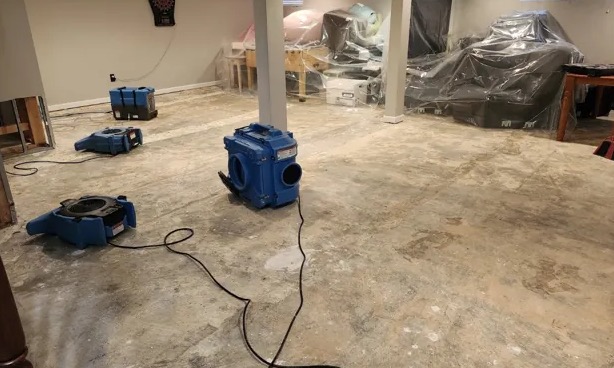
Professional Temperature-Controlled Drying in Plano, TX
In Plano, moisture that dries unevenly can warp materials and leave hidden mold. Local pros control heat and airflow so drying is even and does not cause more damage.
In Plano and nearby Murphy, Richardson and Allen, fast structural drying stops mold before it starts. Local pros map moisture, then use LGR dehumidifiers and planned air mover placement until readings are normal.
Specialized Temperature-Controlled Drying Offerings in Plano, TX
Thermal Drying for Water Damage
The pros raise the room temperature in a controlled way to drive moisture out of dense materials like concrete slabs and beams, watching readings the whole time.
Humidity Control for Restoration
The pros keep humidity low in properties in Plano, so water evaporates from materials instead of soaking back in.
Climate-Controlled Drying Systems
For complex jobs, the pros use industrial equipment to keep humid air from re-wetting materials, so walls dry all the way through.
Moisture Mapping
The pros take moisture readings at many points and depths to map every wet area and set drying goals, so nothing is missed.
Drying Equipment Deployment
The pros set up LGR dehumidifiers, axial fans and cavity drying systems to work together on the wet structure.
When to Call for Temperature-Controlled Drying in Plano, TX
Visible Mold Growth in Corners
Black, green or white specks in damp corners or on baseboards are usually mold, which means moisture has been there a while.
Cracking of Plaster or Joints
Plaster or drywall joint tape develops new cracks or fissures. These cracks occur as wet materials swell and then contract during drying.
Soft Drywall or Sagging Ceiling
Drywall feels spongy to the touch or a ceiling sags downward. This softness means the material is saturated and structurally compromised.
Condensation on Windows or Surfaces
Excess humidity causes water droplets to form on cold surfaces. This condensation confirms the indoor air has too much moisture.
How Temperature-Controlled Drying Works in Plano
Step 1: Initial Moisture Survey and Readings
Pros take baseline moisture readings across the property to plan the drying.
Step 2: Precision Air Mover Placement
Air movers are placed at set angles and distances to target specific wet materials.
Step 3: Deployment of Drying Systems
Dehumidifiers are sized to the moisture load and the size of the space.
Step 4: Ongoing Monitoring and Adjustment
Equipment is moved and adjusted as materials dry, so drying keeps moving.
Common Causes Requiring Structural Drying in Plano
Appliance Malfunction or Overflow
A failed washing machine hose, water heater or dishwasher can release many gallons onto the floor.
Sprinkler System Activation
A fire sprinkler discharges, releasing a large volume of water quickly. This event saturates entire areas and requires precise air mover placement and strategy.
Poor Ventilation After a Flood
Closing up a wet room traps humid air, which slows drying and lets moisture soak further into materials.
Foundation Cracks and Seepage
Hydrostatic pressure forces groundwater through cracks in the foundation wall. This seepage creates a constant dampness that challenges standard drying technology.
Residential & Commercial Temperature-Controlled Drying in Plano
Residential Temperature-Controlled Drying
In condos and apartments, containment barriers and negative air machines keep moisture from moving into neighboring units while drying runs.
Commercial Temperature-Controlled Drying
Restaurants and food service businesses need rapid, sanitary drying to comply with health regulations after a water event. The pros use specialized equipment and antimicrobial treatments during the drying process.
Temperature-Controlled Drying vs. DIY Drying in Plano
After the water is removed, wipe hard surfaces like tile or sealed wood with a disinfectant, and shut off the water source if it is still leaking.
Investing in Professional Temperature-Controlled Drying in Plano
The pros in Plano base cost on the extent of the water damage, the humidity control needed and how long monitoring runs.
Documentation Requirements
Detailed drying logs and moisture reports for insurance take extra time to prepare.
Extent of Water Damage
The larger the area that needs drying, the more equipment and labor the job takes.
Structural Material Types
Porous materials like concrete or dense wood require more aggressive drying strategies and extended monitoring, influencing the project timeline and cost.
Does Insurance Cover Temperature-Controlled Drying?
Insurance may help pay for drying if the cause is a covered loss. Pros provide moisture maps and equipment records for your insurer, which makes the coverage decision.
Advantages of Hiring Drying Equipment Pros in Plano for Temperature-Controlled Drying
Comprehensive Drying Logs
Detailed, chronological logs of moisture readings and equipment settings provide a transparent record of the entire temperature-controlled drying process.
24/7 Emergency Response
Quick action is critical to limit secondary damage, and the pros are available around the clock to begin the drying process.
Strategic Equipment Deployment
Air movers and dehumidifiers are placed according to a plan for even airflow and low humidity.
Round-the-Clock Emergency Temperature-Controlled Drying in Plano
Wet walls and floors keep getting worse until they are dried. Call the pros at (817) 799-6732 to set up drying equipment.
Call Now (817) 799-6732Temperature-Controlled Drying Near Plano: Communities Served
Climate-controlled and thermal drying are available in Plano and surrounding places including Murphy, Richardson and Allen.
- Temperature-Controlled Drying in Murphy
- Temperature-Controlled Drying in Richardson
- Temperature-Controlled Drying in Allen
- Temperature-Controlled Drying in Garland
- Temperature-Controlled Drying in Lucas
- Temperature-Controlled Drying in Addison
- Temperature-Controlled Drying in Carrollton
- Temperature-Controlled Drying in The Colony
- Emergency Damage Restoration in 75023
- Storm Damage Restoration in 75023
- Water Damage Restoration in 75023
- Water Extraction Service in 75023
- Water Leak Detection in 75023
- Water Removal Service in 75023
- Emergency Damage Restoration in 75024
- Storm Damage Restoration in 75024
Your Temperature-Controlled Drying Questions Addressed
What should a property owner do while waiting for help with drying?
If safe, remove obvious standing water with a mop or towels, move dry contents away from the wet area, and avoid using household fans which can spread contaminants.
How does humidity control aid in restoration?
Drier air pulls water out of wet materials faster, so lowering humidity speeds up drying.
How long does the temperature-controlled drying process take?
It depends on the damage, the materials and the conditions. Pros monitor readings and stop when moisture goals are met.
What is the strategy behind air mover placement?
They are angled to move air across wet surfaces in a pattern, so moisture evaporates into the air where dehumidifiers can capture it.
What are the benefits of rapid structural drying services?
Rapid structural drying minimizes the time materials are wet, reducing the risk of swelling, warping, and secondary damage like mold, which helps preserve property value.