Euless, TX · Tarrant County
Historic Building Restoration in Euless, TXHistoric Plaster Repair & Historic Roof Restoration
Professional Historic Building Restoration in Euless covers historic plaster repair, historic wood window restoration, and historic roof restoration.
Answered 24/7
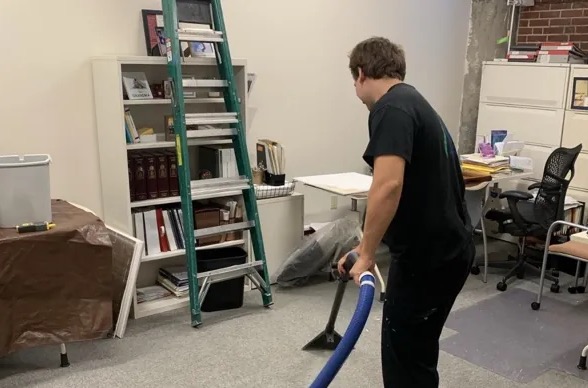
Historic Building Restoration Solutions in Euless
Heritage property restoration in Euless follows local preservation guidelines, so repairs are done carefully with materials that match the original.
Historic building restoration in Euless and nearby areas like Bedford, Colleyville and Hurst requires knowledge of regional architectural styles. Projects often involve historic masonry restoration and delicate plaster repair to preserve original character.
Historic Building Restoration Process and Methods
Historic Plaster Repair
Cracked or crumbling historic plaster requires specialized repair to match original textures. Local historic building experts assess the lath substrate, then mix and apply plaster formulas that replicate the historic finish. This restores walls and ceilings to their original appearance.
Historic Roof Restoration
In Euless, historic roofs are a common weak point and need repair with original materials. Local historic building experts stop leaks and repair or replicate details like cresting and finials.
Historic Wood Window Restoration
Stuck or drafty historic windows can be rehabilitated to extend their life. Experts strip old paint, repair wood with epoxy consolidants or dutchman repairs, and re-apply historically accurate finishes.
Historic Masonry Restoration
Historic masonry restoration addresses damaged brick, stone, and mortar. The experts in Euless use period-appropriate techniques to remove deteriorated material and match new mortar for color and composition. This preserves the building's original character and structural integrity.
Historic Element Replication
For a cohesive restoration, missing features must be recreated. Each replicated element is based on documented evidence from the building's period.
Indicators of Damage Requiring Historic Building Restoration
Compromised Historic Landmark Features
Unique features that define the building's historic status are damaged or altered. It is a serious preservation problem.
Water Stains on Interior Surfaces
Persistent stains on walls or ceilings signal ongoing moisture issues that can ruin historic plaster and wood.
Failing Historic Paint Layers
Multiple layers of historic paint are peeling, flaking, or revealing unstable substrates underneath. Proper historic paint analysis is needed.
Sagging or Rotting Historic Wood
Original wood windows or structural beams show decay, warping, or visible insect damage. This threatens the integrity of your antique building renovation.
How Historic Building Restoration Works in Euless
Step 1: Historic Assessment and Analysis
The experts begin with a thorough examination of your building's condition, materials, and architectural history. This informs the entire historic structure rehabilitation plan.
Step 2: Specialized Material Stabilization
The focus is on securing and stabilizing original historic materials at risk. This includes masonry and structural work as needed.
Step 3: Period-Correct Repair and Replication
Damaged or missing elements are repaired or recreated using period-appropriate replication techniques. This maintains the authenticity of your antique building renovation.
Step 4: Protective Finishes and Preservation
Finally, appropriate protective finishes are applied, and a preservation maintenance plan is discussed. This completes the historic property preservation process.
Typical Threats to Historic Properties
Previous Poor Quality Repairs
Well-intentioned but incorrect fixes using modern materials or techniques can accelerate decay in an antique building renovation project.
Lack of Regular Historic Maintenance
Deferred care allows minor issues to become major problems, complicating any future historic building repair efforts.
Age-Related Material Fatigue
All historic building materials naturally degrade over decades from stress, exposure, and the simple passage of time, requiring careful old building restoration.
Foundation Settlement and Movement
Ground shifts over centuries cause cracks and misalignments that threaten the stability of your historic structure rehabilitation.
Historic Building Restoration for Homes and Businesses
Residential Historic Building Restoration
Your antique building renovation requires methods that differ from new construction. The experts specialize in historic paint analysis and restoration and historic structural stabilization to safeguard your investment and the home's historical narrative.
Commercial Historic Building Restoration
Commercial preservation by the experts keeps historic buildings in use. Key services like historic facade restoration and period-appropriate replication protect architectural significance while supporting the property's commercial purpose. These projects often need detailed records for insurance and historic compliance.
The Risks of DIY Historic Building Restoration
You can conduct light research into your home's architectural period and compile a history file. Monitor areas for new cracks or signs of water entry and keep gutters clear to prevent moisture issues. When beams or foundations need work, call the experts in Euless for structural stabilization.
Factors Influencing Historic Building Restoration Cost
The investment for historic structure rehabilitation near Euless is determined by the scale of necessary interventions. The experts assess masonry, roofing, and structural systems to outline costs.
Specialized Techniques
Employing IICRC-standard methods for delicate historic property preservation carries a cost. These non-invasive, scientifically-backed approaches protect irreplaceable original fabric.
Project Scale
A full historic interior restoration versus a focused facade repair changes the investment. The square footage and number of architectural features involved set the baseline.
Material Authenticity
Sourcing period-correct materials for historic masonry or wood window restoration affects pricing. True replication often requires custom fabrication or specialized suppliers.
Does Insurance Cover Historic Building Restoration?
Does insurance cover historic facade restoration? It depends on the cause and the specifics of your coverage. Direct communication with your insurer is necessary to understand your benefits.
Why Choose Local Experts for Historic Building Restoration in Euless
Paint Analysis Capability
Specialists can perform historic paint analysis to uncover original color schemes and layers. This informs an authentic restoration rather than a guesswork repaint.
IICRC-Standard Methods
The specialists employ industry-standard protocols for sensitive historic material treatment. This keeps methods from harming original materials.
Holistic Stabilization Approach
Historic structural stabilization addresses root causes, not just symptoms, of building movement. This provides a lasting solution for the property's framework.
Emergency Historic Building Stabilization
When an antique building faces an immediate threat, you need experts who understand emergency protocols. For 24/7 help with historic structure rehabilitation, call (817) 799-6732 to reach the experts. Fast action protects the structure and its historic value.
Call Now (817) 799-6732Local Historic Building Restoration Service Area
Protecting historic properties in and around Euless requires specialized knowledge. The experts handle historic property preservation.
Historic Building Restoration Information and Answers
Are modern materials ever used in historic building repair?
Modern materials are used discreetly for structural reinforcement or behind-the-scenes support. Visible elements are restored or replicated with historically accurate materials whenever possible.
What is period-appropriate replication for missing features?
Period-appropriate replication crafts new architectural elements using historical designs, materials, and tools. This fills gaps authentically, maintaining the building's visual and historical continuity.
Why is historic plaster repair different from modern drywall?
Historic plaster is often lime-based on wood lath, requiring specific patching compounds and techniques. Modern gypsum products can cause compatibility issues, so traditional methods are used.
What happens during a historic facade restoration assessment?
The assessment involves a close inspection of masonry, windows, ornamentation, and substrates. It identifies deterioration causes and plans repairs that preserve the architectural character.
What distinguishes historic property preservation from renovation?
Preservation aims to retain and repair original materials, maintaining historical integrity. Renovation often involves updating and replacing features with modern materials and designs.